
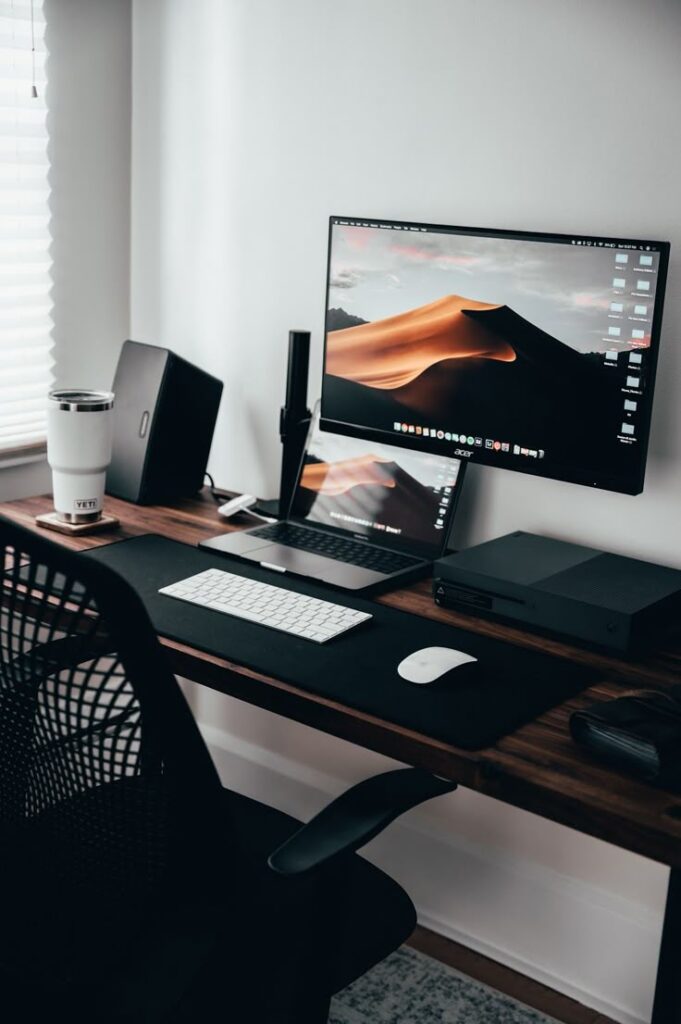
If you’re reading this, chances are you’ve decided to take the leap into remote work. Maybe you’ve already started learning that first skill, or perhaps you’re still mapping out your plan. Either way, there’s one thing you absolutely need to sort out: your workspace.
The truth is, working remotely requires a proper setup. Not necessarily expensive, but proper. You need a space that allows you to show up professionally, stay productive for hours, and maintain the consistency that remote work demands. Let me walk you through how to create a home office that actually supports your success.
Why Your Workspace Actually Matters
Here’s what many people get wrong about remote work: they think working from home means working from anywhere in the home. Your bed today, the couch tomorrow, the dining table when it’s free. This approach might work for a day or two, but it’s not sustainable for professional remote work.
Your brain needs environmental cues. When you sit in a dedicated workspace, your mind shifts into work mode. When you’re sprawled on your bed with your laptop, your brain is confused about whether it’s rest time or work time. This isn’t just psychology, it affects your productivity, your focus, and how seriously clients or employers take you on video calls.
A proper workspace also signals to the people around you that you’re working. In Nigerian homes where the concept of working from home is still relatively new, this matters. Your family, neighbors, and even friends need to understand that you’re not just “at home,” you’re at work.
Setting Up Your Primary Workspace (Budget: ₦150,000 – ₦300,000)
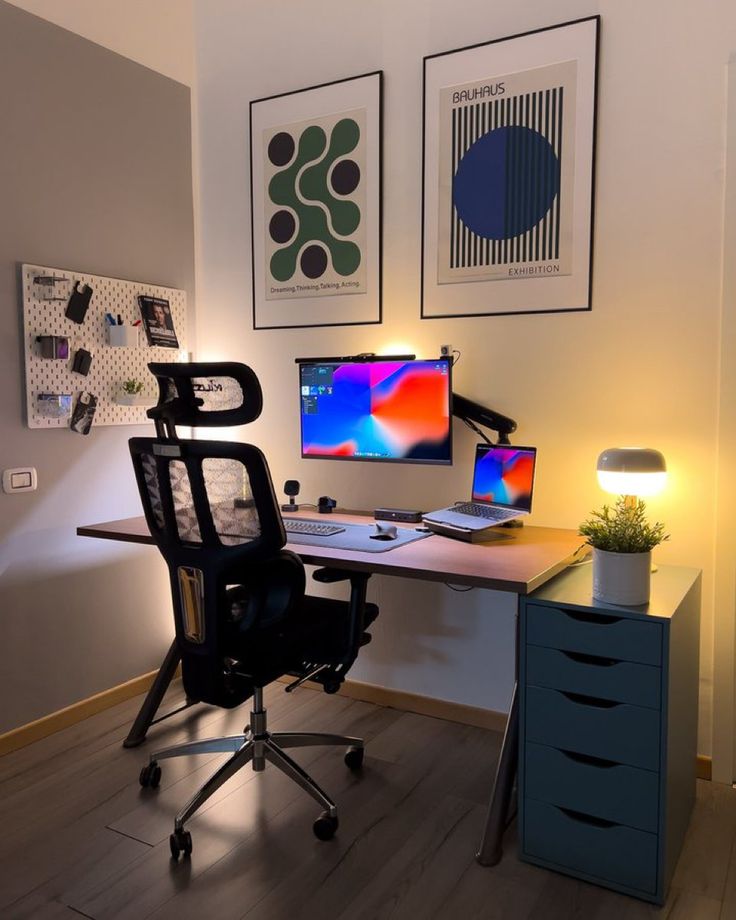
Let’s start with the foundation. You need a proper desk, not a makeshift solution. A good computer desk or study table gives you adequate space for your laptop, notepads, sometimes a second monitor. You can find quality options at local furniture stores or even well-stocked sections of hypermarkets and Game stores. Expect to spend between ₦40,000 to ₦80,000 for something solid and functional.
Your chair deserves serious consideration because you’ll be sitting in it for six to eight hours daily. Back pain is not a badge of honor, it’s a productivity killer. A proper office chair with lumbar support, adjustable height, and comfortable padding costs between ₦45,000 to ₦100,000. Brands like Superior and various options on Jumia or Konga offer good value. If you’re in Lagos, Abuja, or Port Harcourt, visiting physical furniture stores lets you test chairs before buying.
Your Computer
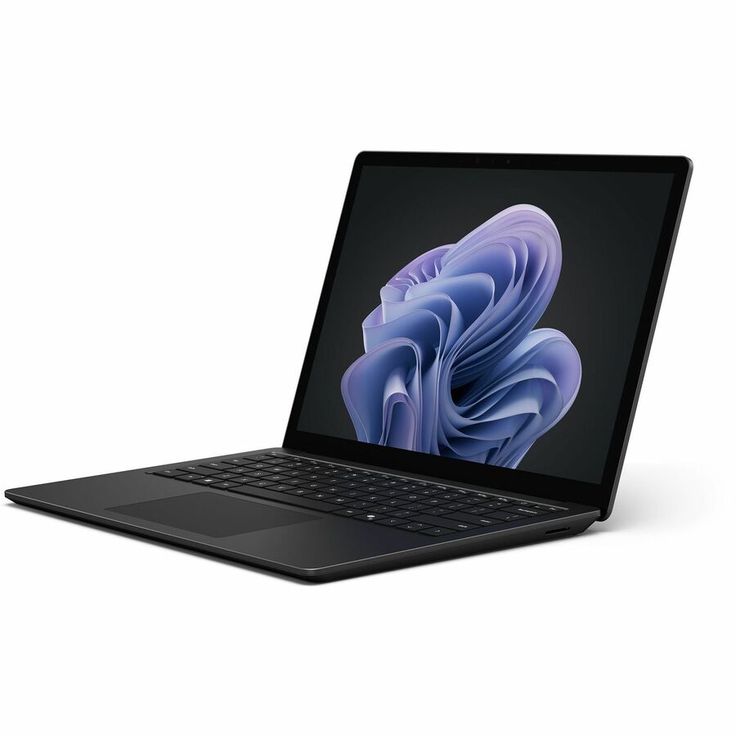
Now let’s talk about your computer. If you already have a laptop, great. If not, or if yours is struggling, invest in something reliable. A new mid-range laptop suitable for remote work, with at least 8GB RAM, 256GB SSD, and a decent processor costs between ₦250,000 to ₦450,000. Brands like HP, Dell, Lenovo, and Acer offer solid options in this range. Yes, you can find cheaper, but remember this is your primary work tool. It needs to be durable and reliable.
Internet connectivity is non-negotiable, and this is one area where cutting costs often backfires. A reliable monthly internet plan from providers like Spectranet, Smile, or your local fiber optic provider will cost around ₦15,000 to ₦30,000 monthly. If you’re serious about remote work, consider Starlink if it’s available in your area. The setup cost is significant, but the reliability often justifies it, especially if you’re in an area with inconsistent traditional ISP coverage.
Power supply is the Nigerian remote worker’s constant headache. A quality inverter system with batteries that can power your essentials for several hours costs between ₦150,000 to ₦350,000 depending on capacity. This feels like a lot upfront, but calculate how much productivity you lose during power outages, and the investment makes sense. If an inverter is beyond your current budget, a high-capacity power bank for your laptop and devices costs around ₦25,000 to ₦45,000 and provides temporary relief.
The Professional Equipment Layer (Budget: ₦100,000 – ₦200,000)
Remote work often involves video calls, whether for team meetings, client presentations, or interviews. Your built-in laptop camera might technically work, but it rarely presents you in the best light. An external HD webcam costs between ₦25,000 to ₦60,000 and instantly elevates your professional appearance. Logitech and Microsoft make reliable options available in Nigerian tech stores.
Audio quality matters even more than video. A professional headset with noise cancellation and a clear microphone is essential. You can find good options from brands like Jabra, Logitech, and even quality alternatives like Anker or Oraimo for ₦15,000 to ₦50,000. The investment pays off when clients can hear you clearly without background noise, and you can take calls without disturbing others in your home.
Consider a second monitor if your work involves multitasking, which most remote jobs do. Being able to view your email on one screen while working on a document on another, or monitoring your social media scheduler while creating content, significantly boosts efficiency. A 22-24 inch monitor costs between ₦70,000 to ₦120,000, depending on the brand. Pair it with a wireless keyboard and mouse set for another ₦12,000 to ₦25,000, and you’ve created a proper dual-screen workstation.
Lighting deserves more attention than most people give it. Ring lights have become popular for good reason. They provide even, flattering light for video calls and can also serve as general task lighting. A decent ring light costs between ₦15,000 to ₦35,000. Position it correctly, and you’ll look professional even during evening calls when natural light isn’t available.
Creating the Right Work Environment
Your physical equipment is only part of the equation. The environment you create matters just as much. If possible, choose a space with natural light. Position your desk near a window, but not directly facing it to avoid glare on your screen. Natural light reduces eye strain and genuinely improves mood and productivity.
Temperature control might seem like a luxury, but try working through a Nigerian afternoon without a fan or AC and see how your productivity suffers. If you’re setting up in a room, a standing fan costs ₦20,000 to ₦30,000, while a small AC unit runs ₦150,000 to ₦300,000. Your climate and budget will determine what makes sense, but some form of cooling is worth prioritizing.
Organization systems keep your workspace functional. A small filing cabinet or desk organizer costs ₦5,000 to ₦15,000 but prevents the chaos that kills productivity. Cable management solutions, even simple velcro ties and clips, keep your setup looking professional and prevent the tangled mess that seems to appear whenever you have multiple devices.
The Quiet Challenge
In Nigerian homes, noise is often the biggest obstacle to productive remote work. If you’re in a family house or a densely populated area, you need strategies beyond just asking people to be quiet.
Soundproofing doesn’t have to mean expensive acoustic panels. Heavy curtains help absorb sound and cost ₦10,000 to ₦30,000 depending on size and quality. A rug or carpet in your workspace also dampens noise. For immediate needs during calls, quality noise-canceling headphones like those from Sony, Bose, or even mid-range options from JBL cost ₦30,000 to ₦80,000 and are genuinely worth it.
Setting boundaries with family and housemates requires clear communication. Establish work hours and explain what you need during that time. A simple “do not disturb” sign on your door might feel silly, but it works. Most people respect boundaries once they understand why they matter.
Smart Investment Strategy
When building your home office, think in phases rather than trying to get everything perfect immediately. Start with the essentials that directly impact your ability to work: computer, internet, basic desk and chair, power backup. These are your phase one investments.
Phase two comes once you’re earning consistently: better chair, second monitor, improved audio and video equipment. Phase three is about optimization: better lighting, improved organization systems, aesthetic improvements that make the space genuinely enjoyable.
Buy quality where it matters. Your chair, your computer, and your internet connection are worth investing in properly because they directly affect your daily work experience. You can economize on desk organizers, cable management, and decorative elements without impacting functionality.
Shop strategically. Follow tech retailers and furniture stores on social media for sales notifications. End of year sales, Black Friday, and mid-year promotions can save you 20-30% on major purchases. Join online communities of remote workers in Nigeria. People often sell barely-used equipment when upgrading or relocating.
Making It Work for Your Situation
Your ideal home office setup depends heavily on the type of remote work you’re doing. A virtual assistant needs reliable communication tools and organizational systems. A social media manager needs good lighting and perhaps multiple devices for managing different platforms. A customer support specialist needs excellent audio equipment and a quiet environment. A content writer needs an ergonomic setup for long typing sessions.
Assess your specific needs based on your chosen remote work path, then allocate your budget accordingly. Don’t spend money on equipment you won’t use just because someone said you need it.
Your Workspace Will Grow With You
Remember that your home office is not a one-time project. It evolves as your career develops, your income grows, and you understand your work patterns better. The setup that works perfectly when you’re starting out might need adjustments six months later.
Pay attention to what frustrates you or slows you down in your current setup. That frustration points to your next upgrade priority. Maybe you realize you need a standing desk option because sitting all day hurts your back. Maybe you discover that your internet speed is limiting the projects you can take on. Maybe you need better storage for client files and materials.
The goal is creating a workspace that supports professional, productive, consistent remote work. It should be comfortable enough for long hours, professional enough for client calls, and organized enough that you can find what you need when you need it. Invest thoughtfully, upgrade strategically, and build a home office that genuinely works for the career you’re creating.